
Why Winter Is the Best Time to Diagnose Home Energy Problems
Winter places your home under the most stress it will experience all year. Cold outdoor temperatures, higher heating demand, and longer nights expose weaknesses in insulation systems, air sealing, and thermal performance that may remain hidden during milder seasons. For homeowners, realtors, and property managers, winter is not just a season of higher utility bills—it is the most accurate diagnostic window for identifying energy efficiency problems.
Understanding what winter reveals about your home allows you to make informed insulation decisions before spring remodeling projects begin.
How Winter Exposes Insulation and Air-Leak Issues
When temperatures drop, warm indoor air naturally tries to escape while cold air pushes inward. If insulation coverage is incomplete or underperforming, heat loss becomes noticeable almost immediately. Homes with insulation problems often experience:
- Cold or drafty rooms
- Uneven temperatures between floors
- Increased heater runtime
- Higher utility bills
- Condensation on windows or walls
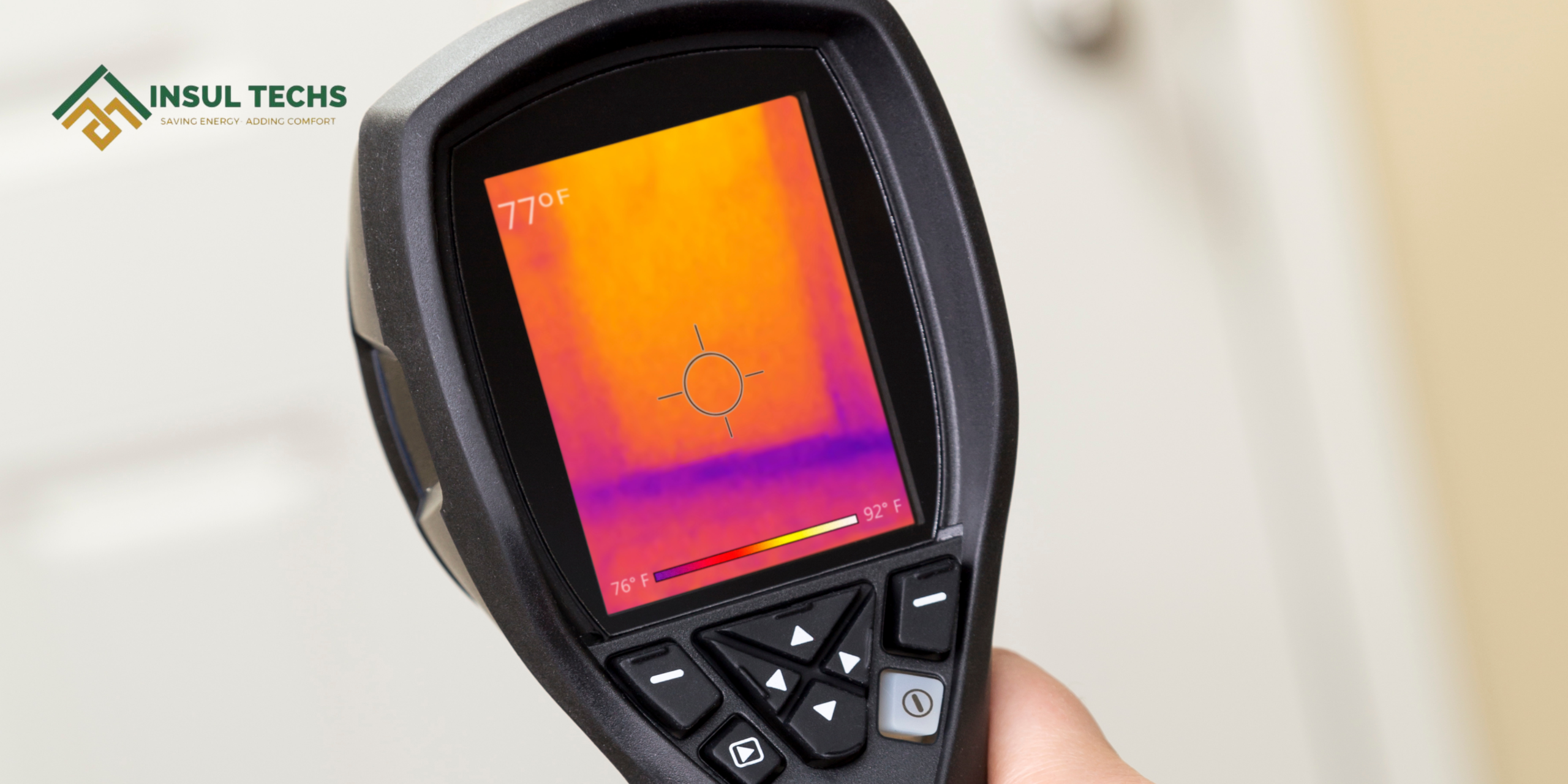
These symptoms are direct indicators of thermal envelope failures. Winter conditions amplify these problems, making their source easier to identify through professional inspection and thermal evaluation.
Drafts, Cold Rooms, and Uneven Temperatures Explained
Drafts are typically caused by air leakage, not just low insulation levels. Gaps around attic penetrations, top plates, plumbing chases, recessed lighting, wall cavities, and crawl space transitions allow conditioned air to escape.
Cold rooms often result from:
- Missing or compressed insulation
- Low R-value materials in exterior walls
- Poor attic coverage
- Unsealed cavities
Uneven temperatures between floors usually point to attic heat loss, stack-effect air movement, and insufficient air sealing at the top of the home.
Addressing these issues requires more than adding insulation—it requires diagnosing where heat is escaping and why.
Attics, Walls, and Crawl Spaces: The Primary Loss Points
Most winter heat loss occurs through three main areas:
Áticos
Warm air rises. If attic insulation is thin, disturbed, or poorly installed, large amounts of heat escape upward.
Paredes
Exterior walls with insufficient insulation allow continuous heat transfer. Older homes commonly lack adequate cavity insulation or contain deteriorated materials.
Espacios Angostos
Uninsulated crawl spaces introduce cold air beneath the home, creating cold floors, drafts, and moisture risk.
A comprehensive inspection evaluates all three zones as a connected system rather than isolated components.
Why Diagnosing Now Prevents Rushed Spring Decisions
Spring often brings remodeling projects, home sales, and construction schedules. Waiting until spring to investigate energy problems can lead to rushed decisions, limited contractor availability, and higher costs.
Winter diagnostics provide:
- Clear understanding of actual performance issues
- Time to evaluate insulation options
- Ability to plan upgrades strategically
- Better scheduling flexibility
Instead of reacting, homeowners can move forward with a plan.
Conclusion
Winter is not just a heating season—it is the most honest test of your home’s energy performance. Identifying insulation and air-leak issues now allows you to correct problems before spring remodeling and before summer cooling demand begins.
Call to Action
Schedule a professional insulation assessment before spring remodels.